Piedmont North Carolina gets its tree emergencies in batches: summer thunderstorms with straight-line winds, the occasional tropical remnant crawling up from the coast in fall, and winter ice that loads every pine in Gaston County past its limit. When a tree comes down on your property, the hours that follow have a correct order of operations, and it is not the order most people follow at 2 a.m. with a flashlight. Safety first, paperwork second, chainsaws third. Here is the sequence in detail.
- Check people and power first. Everyone accounted for, and treat any downed or touching power line as live; call the utility and 911, not the tree company.
- Stay off and away. No climbing on the trunk, no cutting tensioned limbs, and keep kids and dogs inside the far side of the house.
- Photograph everything. Wide shots and close shots, the tree, the damage, the roof or fence, before anything is moved or cut.
- Stop the water. If the roof is breached, a tarp or an emergency call to a roofer matters more in hour two than the tree does.
- Call insurance, then the tree service. Open the claim, get the claim number, then book emergency removal and keep every invoice.
The danger is not finished when the tree lands
A fallen tree is a loaded structure. Trunks resting on a roof or fence hold enormous stored energy in bent limbs and tensioned wood, and they shift without warning when weight moves, when a supporting branch is cut, or when the ground softens. This is why a large share of storm injuries happen after the storm, to homeowners with rented chainsaws standing on ladders. The rules for the first day are simple and absolute. Do not climb on the tree. Do not cut a limb that is holding weight or bent under load. Do not stand downhill of a trunk on a slope, and do not let anyone work under a hung-up tree or a leaning one with a cracked base. If the tree is touching a power line, the whole area is the utility company's job until they clear it; call them and stay well back.
Inside the house, check the things the tree may have disturbed quietly: a shifted chimney, a cracked gas line's smell, water entering through a punctured roof into a ceiling that sags. Any of those outranks the tree itself.
Documentation is the perishable evidence
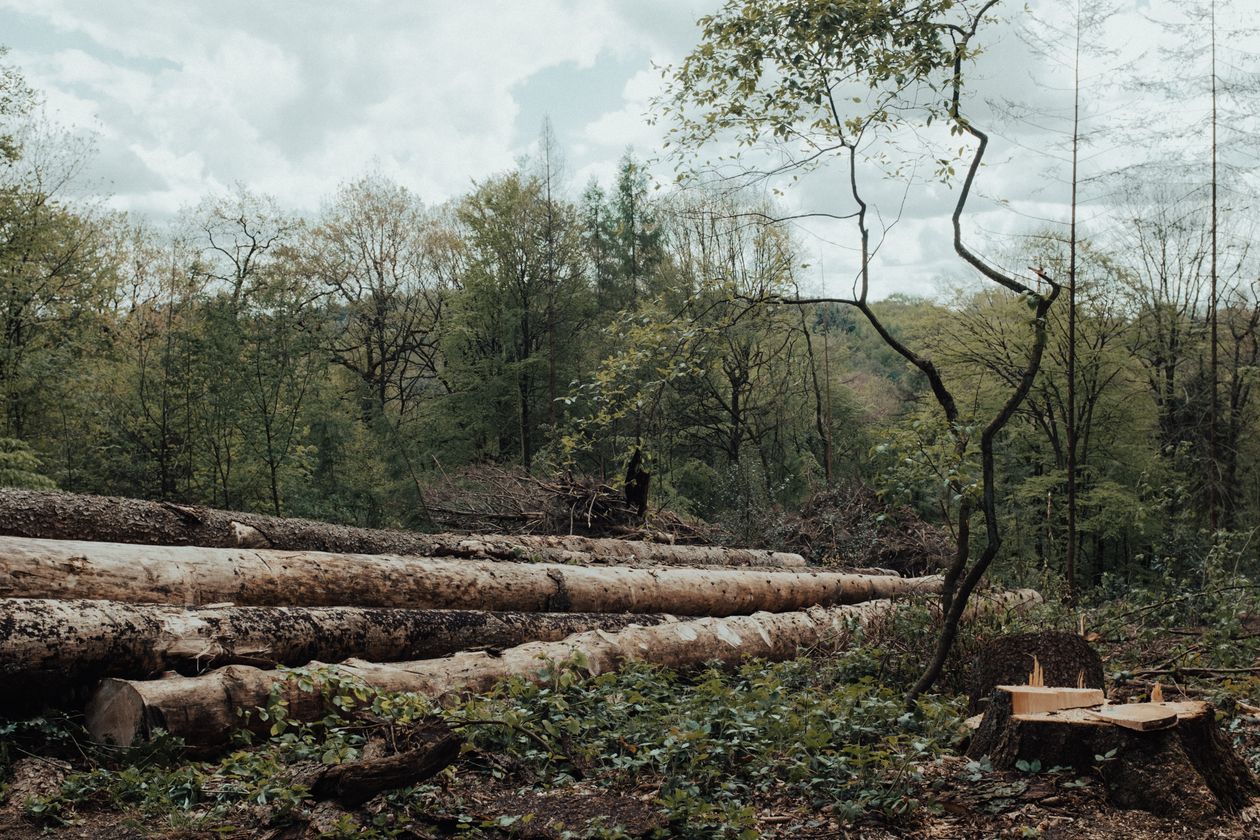
Insurance claims are built in the first hours. Photograph the scene before anything is cut or moved: the whole tree from several angles, where it landed, every point of damage to roof, fence, car, or outbuilding, and the base of the tree showing its condition. If a neighbor's tree fell on your house or yours on theirs, the same photos serve everyone. Open the claim the same day if you can; your insurer will assign a claim number and tell you what they need, which almost always includes the removal invoice and these photographs. Keep receipts for everything, including a tarp or a hotel night if the house is unlivable. A dated note of the storm, the time you discovered the damage, and who you called is worth writing in the moment, because two months later nobody remembers the sequence.
One clarification that saves confusion: in most cases, the owner of the property where the tree lands is the one whose insurance handles the damage, regardless of whose yard the tree grew in, unless neglect of a known dead tree is involved. Your agent is the authority for your policy, but knowing the usual rule keeps the first phone calls calmer.
Getting the tree handled
Emergency tree work is a specialty: night and storm conditions, trees on structures, and rigging that lowers sections instead of dropping them. Companies that run a true emergency service, including Treescape Tree Experts, which lists 24/7 emergency service from Gastonia, will usually triage in two passes. The first pass makes the scene safe and gets the tree off the structure so tarping and repairs can start. The second pass, in daylight and often days later when the storm backlog clears, does the full cleanup, stump work, and haul-away. Agreeing to that sequence gets you safe faster than demanding a spotless yard by morning, which no crew in the county can promise when half the county is calling.
Get the scope and price in writing before work starts when circumstances allow, and be wary of the unsolicited crew knocking on doors after a storm with a cash price and no name on the truck. Storm chasing is a real trade pattern, and the protection against it is the same as always: a company with an address, insurance, and a phone that will still answer next month.
Common questions
Can I cut up some of the fallen tree myself?
Small, ground-level limbs that are not under tension and not supporting anything are reasonable work for a confident homeowner. Anything on a structure, bent under load, hung up, or near a power line belongs to professionals; stored energy in a downed tree injures people who misjudge it.
Does insurance pay for removing a fallen tree?
Policies commonly cover removal when the tree damages a covered structure, and cover the structure damage itself. A tree that falls harmlessly in the yard is often the owner's expense. Open the claim and ask, with photos ready, before assuming either way.
How fast can an emergency tree service get here after a storm?
It depends on the storm's scale. In a widespread event, crews triage: lines and structures first, safe scenes made safe, full cleanup scheduled in following days. A company with a real 24/7 line will tell you honestly where you are in that queue.
Photos in this guide are representative stock images.
← All guides from Treescape Tree Experts← Back to Treescape Tree Experts